The Role of Conflict in Driving Your Narrative Forward
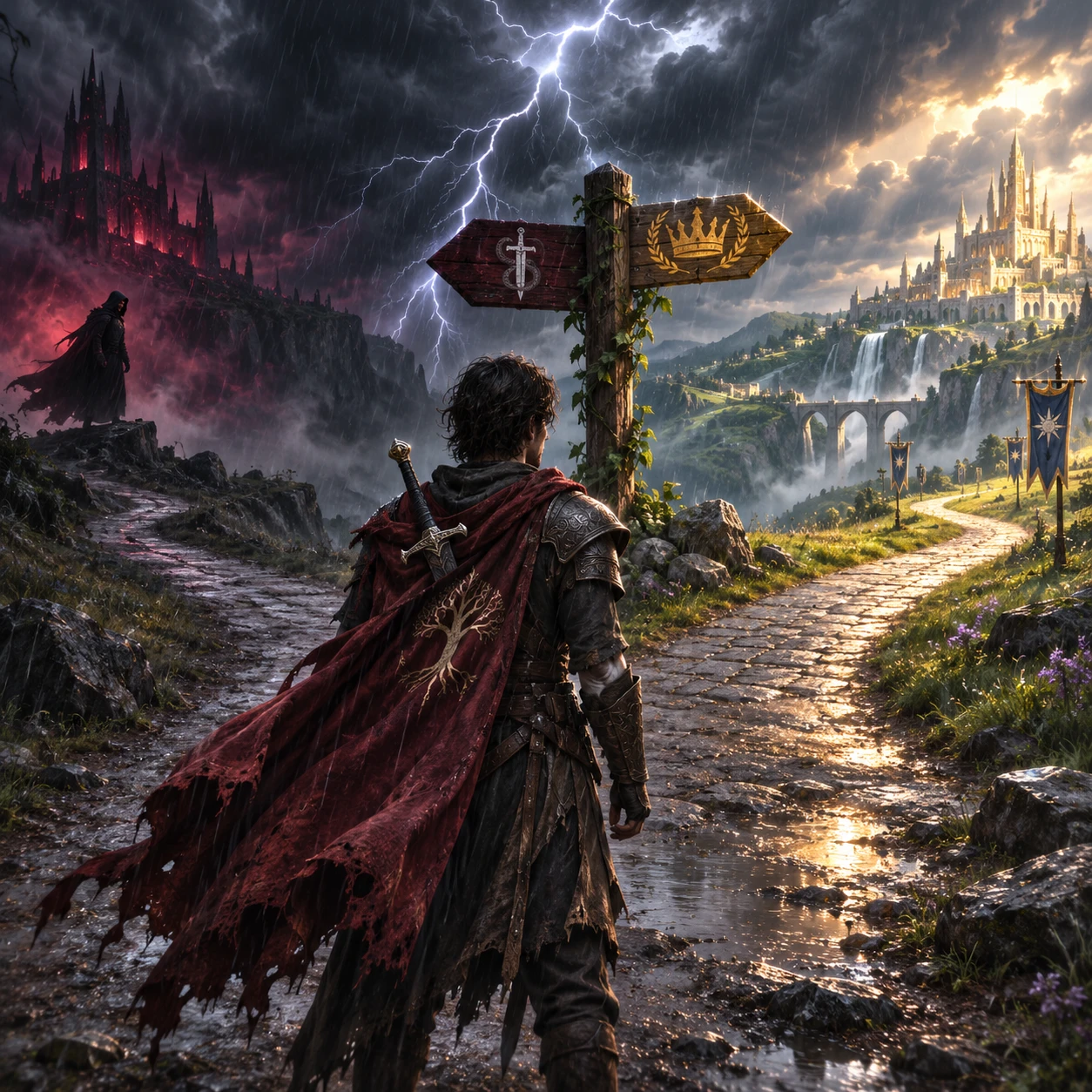
A character wants something. Something stands in the way. What happens next is the story. In fiction, conflict creates the pressure that turns a goal into a sequence of choices, consequences, and change. It can be a battle, but it can also be a secret, a difficult promise, a fear, or a deadline.
For writers of online fiction, conflict gives readers a reason to keep opening the next chapter. The key is not to make life difficult at random. Build struggles from character motivation, then let each obstacle affect what the character does and what it costs.
What Conflict Means in a Story
Conflict is the struggle between a character and something standing between them and a goal. That obstacle creates a central question for the narrative: can the character get what they want, and what will they risk or change in trying?
A goal can be concrete, such as escaping a locked city, or personal, such as earning a sibling’s trust. The conflict may come from another person, social rules, nature, circumstance, or the character’s own beliefs. It does not need to involve shouting or violence. A character who wants to tell the truth but fears losing their community is already in conflict.
The central conflict is the main struggle that gives the story its shape. Smaller conflicts can complicate it, but they should connect to the same narrative pressure. In a serialized story, a chapter might resolve one immediate obstacle while leaving the larger struggle alive. This gives readers a satisfying moment of movement without making the whole story feel stalled.
A useful test: if you remove an obstacle, does the character make a different choice or does the plot change? If nothing changes, that conflict may be decorative. Strong conflict alters the character’s available options.
Internal and External Conflict
Internal conflict is a struggle within a character, while external conflict comes from forces outside them. Stories often gain depth when the two interact: an outside problem pressures a personal weakness, belief, or desire.
Internal conflict may involve guilt, fear, loyalty, grief, ambition, or competing values. A young healer might want recognition but believe that seeking credit is selfish. External conflict could be a shortage of medicine, a rival healer, or an authority that forbids treatment. The external problem demands action; the internal one makes that action difficult.
These forms can work separately. A quiet literary story may focus on a character deciding whether to forgive a parent. An adventure may emphasize a dangerous journey, with little attention to the hero’s private doubts. Neither approach is automatically stronger. Choose the balance that suits the story’s promise and the character’s motivation.
When internal and external conflict do overlap, avoid making the connection too neat. A storm does not need to symbolize a character’s sadness every time it rains. Instead, let circumstances create specific pressure: the character must ask for help from someone they resent, or choose between protecting a friend and keeping a hard-won secret.
How Conflict Moves the Plot Forward
Conflict moves the plot forward by forcing characters to make decisions. Those decisions produce consequences, and the consequences create the next obstacle, discovery, or opportunity.
A simple chain can help you plan a scene: goal → obstacle → choice → consequence. Suppose a courier needs to deliver a message before sunset. A blocked bridge is the obstacle. The courier can take a dangerous mountain path, bribe a guard, or ask a rival for help. Each choice changes the story: the route may cost time, the bribe may expose a secret, and the rival may demand a favor.
Conflict should generate plot progression, not merely delay it. If the character faces the same kind of obstacle repeatedly and responds in the same way, tension tends to flatten. Let each setback reveal information, narrow options, damage a relationship, or force a new tactic. An obstacle can also make success easier in one respect and harder in another.
In online fiction, chapter endings often benefit from an unresolved choice or consequence. That does not mean every installment needs a dramatic cliffhanger. A character discovering that an ally has lied can create a quieter hook: readers want to know what the character will do with that knowledge.
Connecting Conflict to Character and Stakes
Conflict feels meaningful when it reveals what a character values and puts something they care about at risk. Character development follows from the way they respond to pressure, especially when every available choice has a cost.
Start with motivation. Why does the character want this goal now? What do they believe will happen if they fail? The answer gives the stakes their personal meaning. Losing a contest may be minor for one character, but for another it could mean losing a scholarship, a family’s trust, or the only chance to leave town.
Stakes do not have to grow in scale from a private worry to the destruction of a kingdom. They can grow in intimacy. A character may first risk embarrassment, then a friendship, then their ability to live by a principle. This often feels more credible than making every new threat larger than the last.
For a specific challenge, connect three things:
- Desire: What does the character want?
- Risk: What could they lose, including something emotional or relational?
- Change: What belief or habit will the struggle test?
If the risk matters but the character’s choices do not reveal anything, the conflict may feel like spectacle. If a character’s inner struggle has no visible consequence, readers may find it abstract. Join the two through action.
Building and Escalating Conflict
To build conflict, give a character a clear goal, make the obstacle specific, and let each attempted solution change the situation. Escalation means increasing pressure or consequence; it does not require a louder or more dangerous threat in every scene.
Try this practical sequence when planning a conflict:
- Define the immediate goal. Keep it concrete enough that a reader can tell whether the character succeeds in the scene.
- Choose a character-specific obstacle. A shy character may struggle to ask for help; a proud one may reject it even when it is offered.
- Limit easy options. Use believable constraints such as time, trust, knowledge, resources, or competing duties.
- Make the response matter. The choice should create a consequence, reveal character, or alter the next step.
- Vary the pressure. A setback might cost time, while another damages trust or forces a compromise.
Believability matters more than constant intensity. If every obstacle appears because the author needs another twist, readers may stop investing. Give opposing characters understandable aims, and let circumstances follow from earlier decisions. A rival who blocks the protagonist because they want something specific is more convincing than one who exists only to obstruct.
Also allow pauses. A moment of apparent success, uneasy calm, or practical recovery can make the next decision land harder. Constant escalation leaves little room to register consequences, and it can make even a major crisis feel ordinary.
Resolving Conflict with Purpose
A satisfying resolution answers the central struggle and shows what the character’s choices have changed. It need not deliver everything the character wanted, but it should make the outcome feel connected to the conflict and the decisions that came before it.
Resolution can mean winning, losing, reaching a compromise, or choosing to abandon the original goal. The important point is that the result has meaning. If a character seeks approval and finally acts without it, their external situation may remain difficult while their internal conflict shifts. That change can provide closure even when not every problem disappears.
A useful check is to compare the opening and ending: What did the character believe at first? What choice do they make now that they could not have made earlier? The answer should emerge through behavior, not only explanation. A character who once hid a dangerous truth might finally reveal it, accepting the consequences.
Not every conflict needs a complete resolution at the end of a chapter or story. In a continuing series, a local struggle can close while the larger central conflict remains open. Make sure readers can still identify what changed and what question carries forward. An ending that postpones every answer can feel evasive; one that resolves every tension may leave no reason to continue.
Frequently Asked Questions
What is the difference between internal and external conflict?
Internal conflict takes place within a character, such as fear or divided loyalty. External conflict comes from an outside force, such as another character, a rule, or a dangerous environment. A story can use either or connect both.
Can a story have more than one central conflict?
Yes. A novel or serial can carry several major struggles, especially across multiple characters. To keep the story coherent, connect them through shared consequences, themes, or a primary character’s goals rather than presenting unrelated problems side by side.
How do you raise the stakes without making conflict feel forced?
Let consequences grow from earlier choices and from what the character values. Increase the cost, reduce available options, or put a relationship under strain. The next problem should feel like a result of the story so far, not a random threat added for excitement.
Does every conflict need a clear resolution?
No. Some stories leave a question open or end with an imperfect compromise. Readers still need a sense of change: a decision has been made, a relationship has shifted, or the character understands the problem differently. Open endings work best when they feel intentional rather than unfinished.